
Blog
Insured
Emergency services
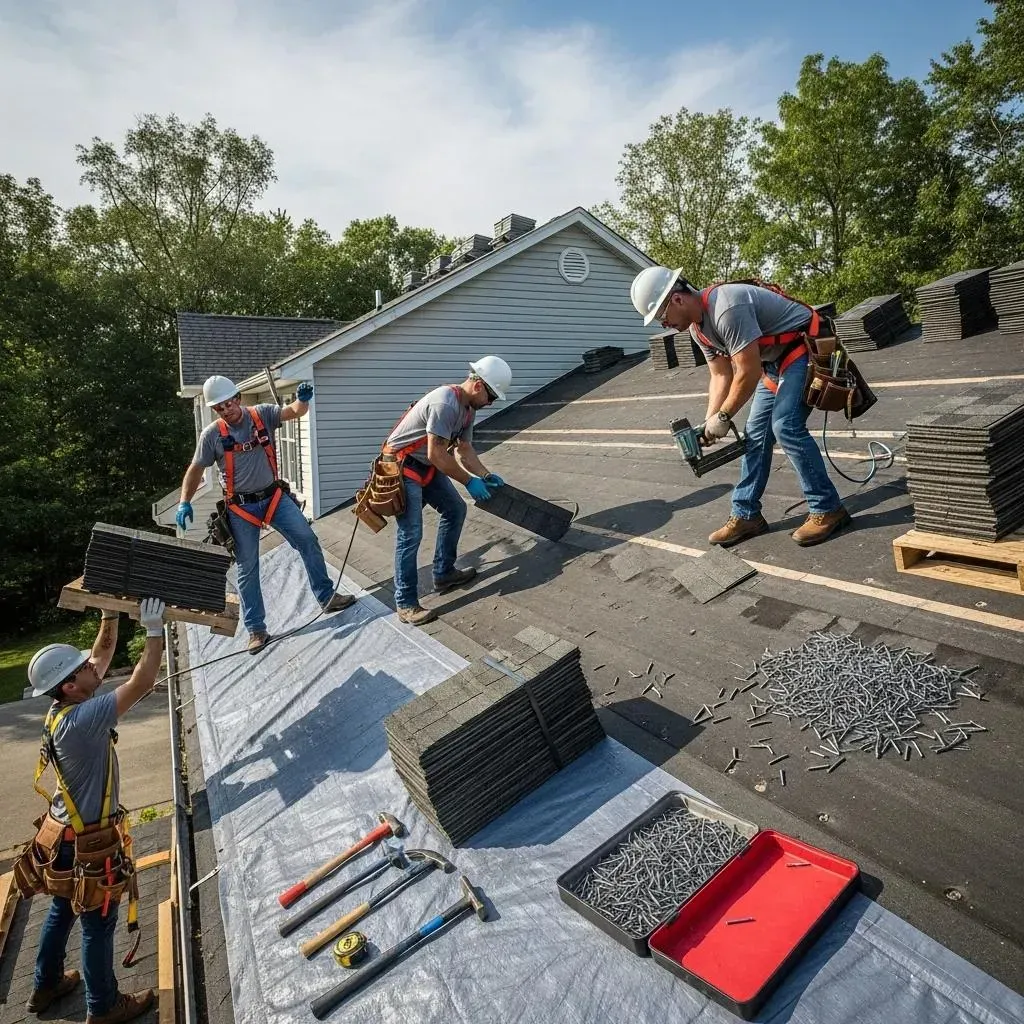
When selecting roofing services, consider these 10 essential tips to find reliable installation near you. Ensure quality and trust for your home’s protection.
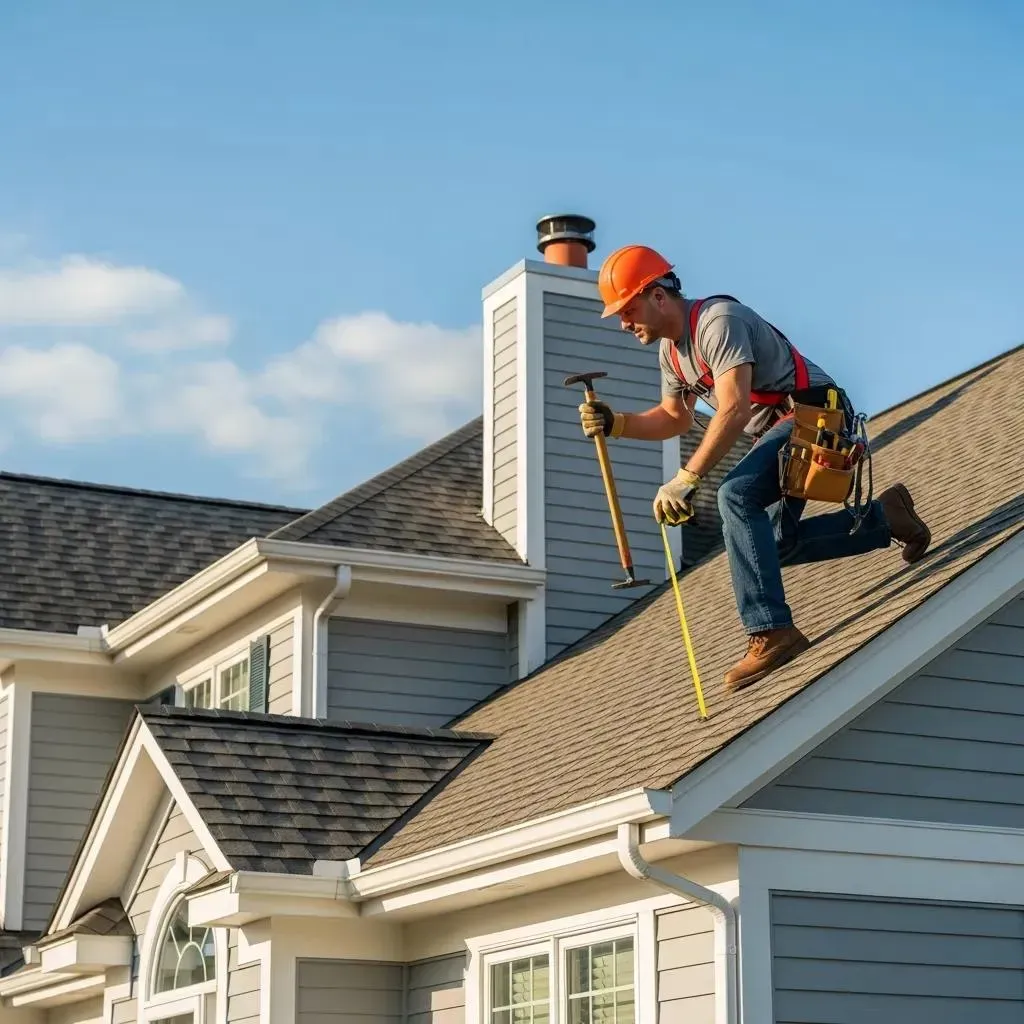
Looking for reliable roofing installation services near you? Our guide helps you choose the best options for quality, cost, and customer satisfaction.
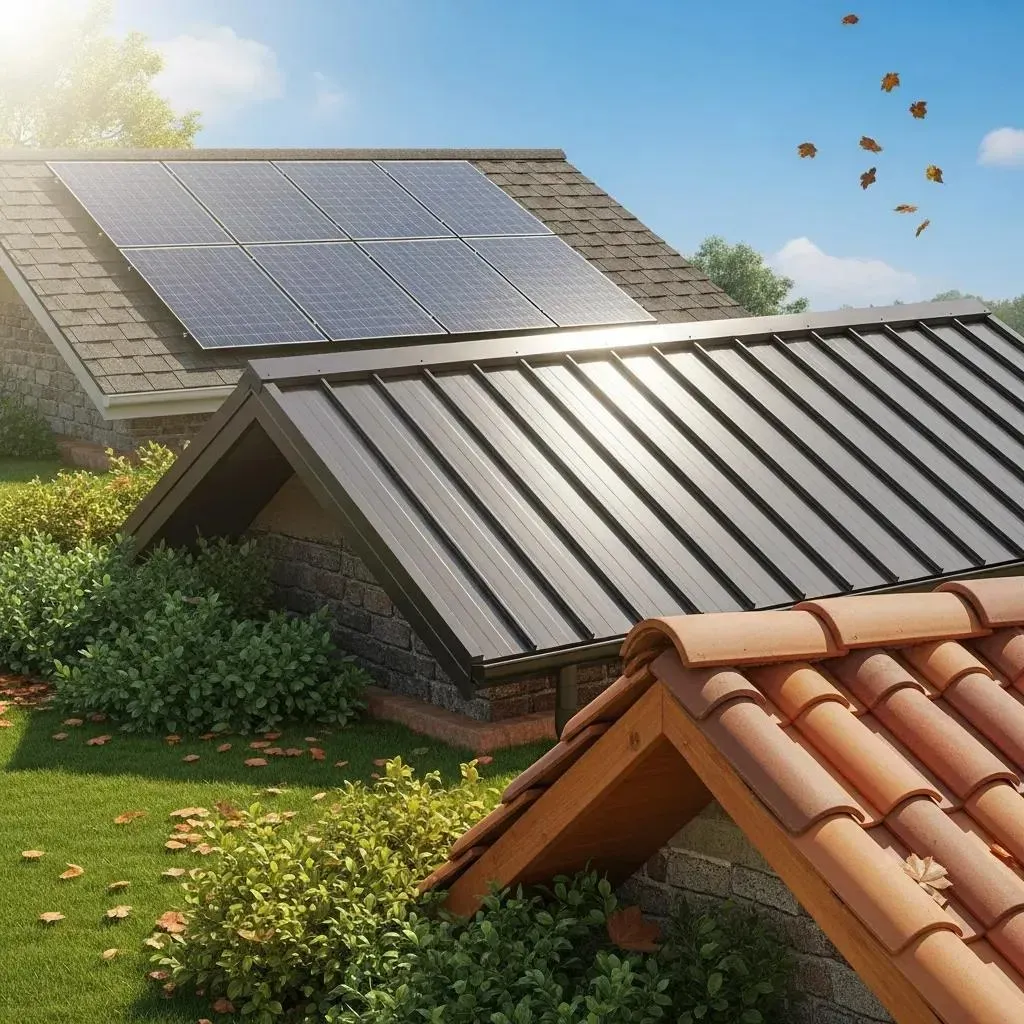
Choosing the right roofing materials can enhance your home's value and durability. Compare options to make an informed decision that suits your needs.
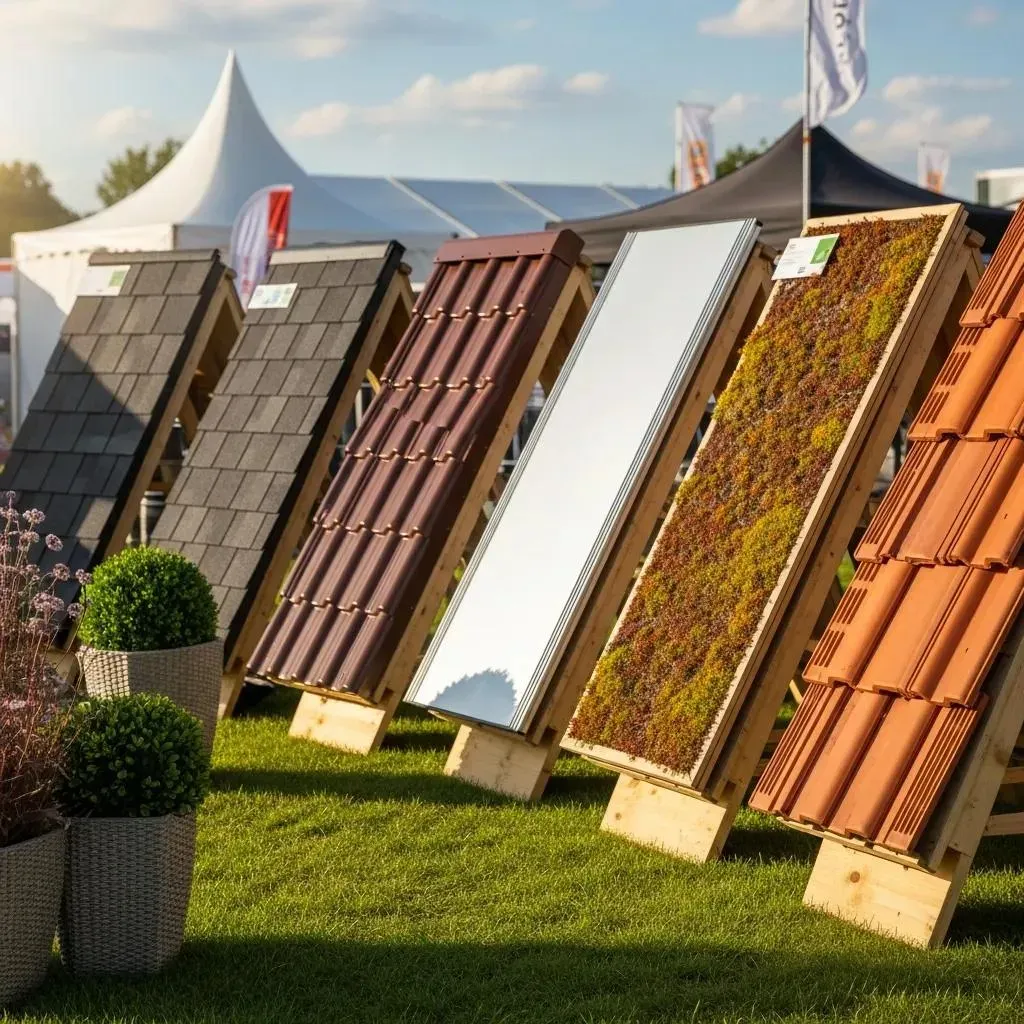
Find the best roofing materials tailored to your needs. Learn about durability, cost, and aesthetics to make an informed choice for your home.
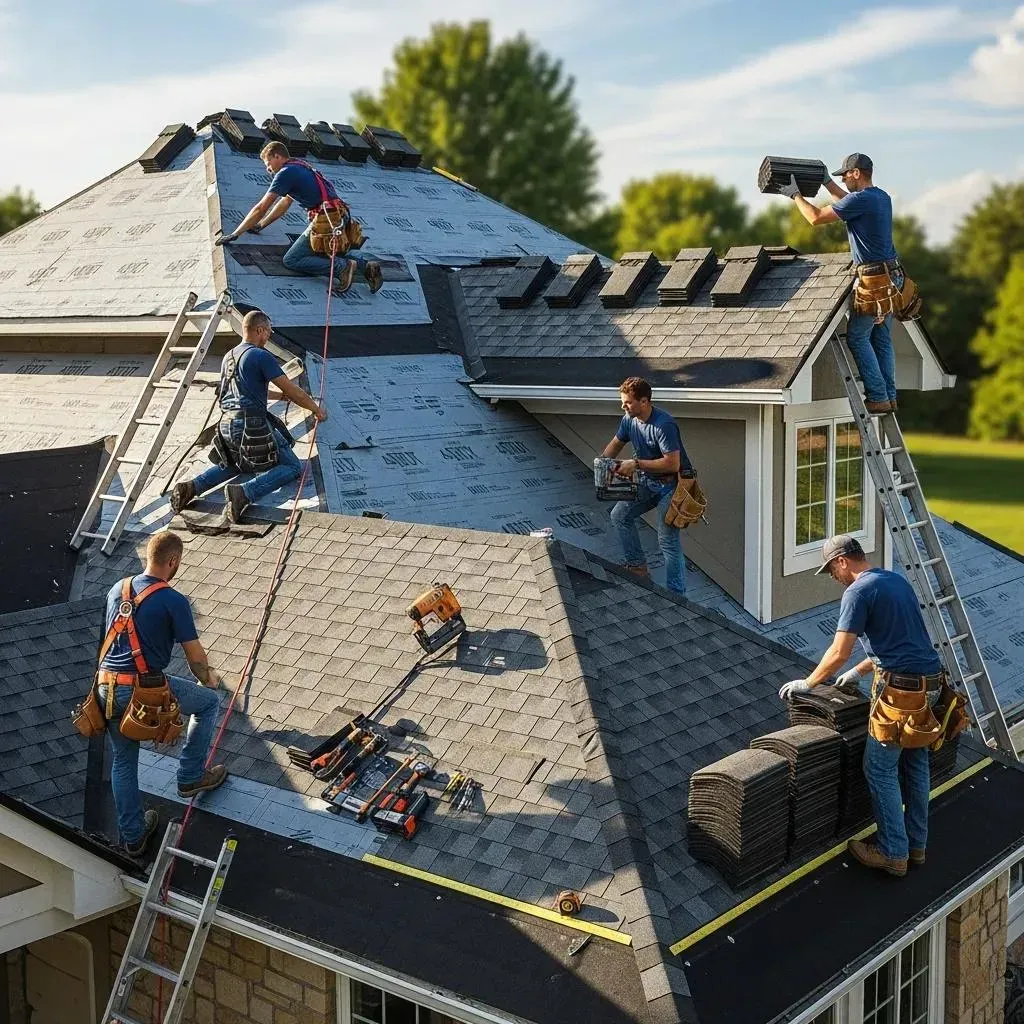
Find reliable roofing services near you with our expert tips. Ensure quality residential installation with trusted contractors for your peace of mind today!
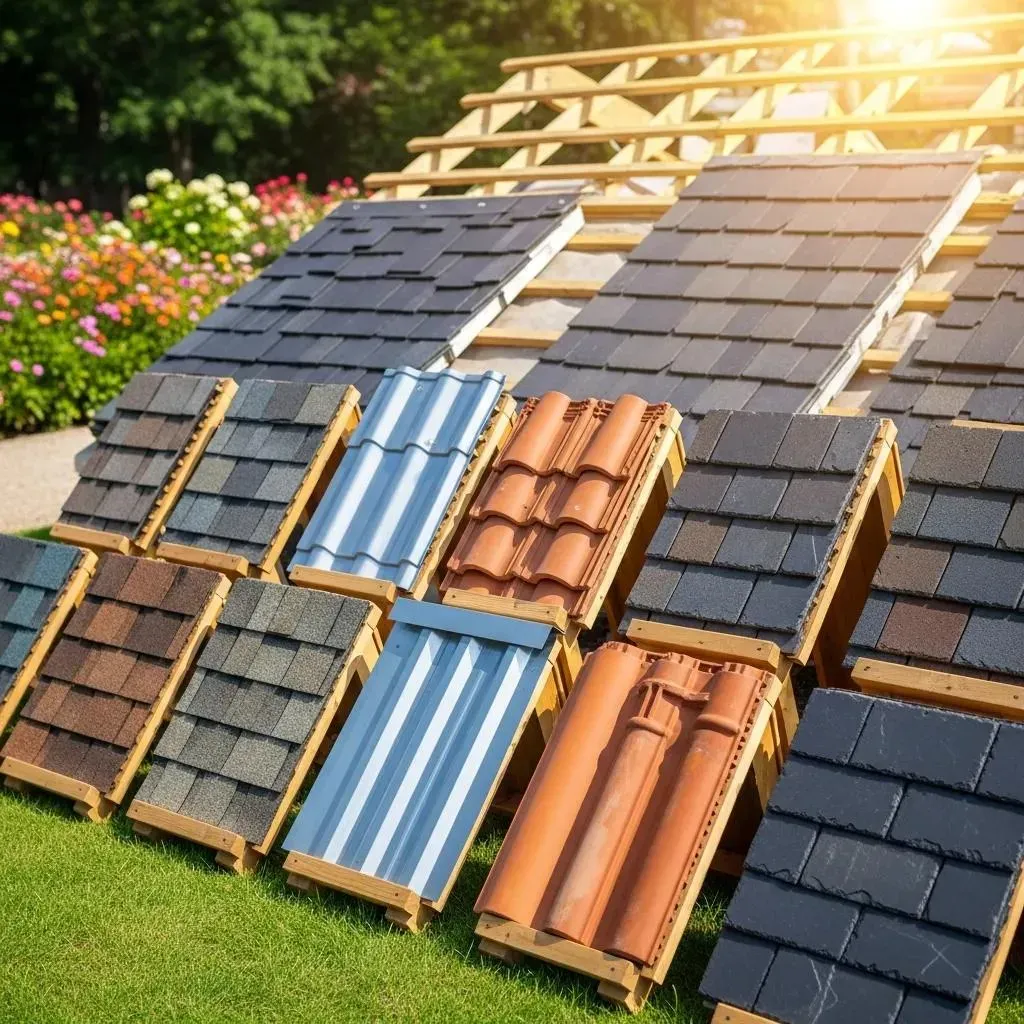
Choosing the right roofing material for your home is crucial. Consider durability, cost, and climate. Make an informed decision to protect your investment.
As the winter season approaches, homeowners need to brace themselves for the unique challenges that cold weather can bring to their roofing systems. At Certified Roofing Solutions Inc. , we understand the critical role a secure and well-maintained roof plays in protecting your home from the harsh elements. Preparing your roof for winter ensures that it stays resilient against snowfall, ice buildup, and fluctuating temperatures. In this post, we explore common winter roofing challenges and share practical tips to prepare your home effectively. Winter can be particularly harsh on your roof due to factors such as snowfall, ice dams, and freezing temperatures. These conditions can lead to significant damage if not addressed promptly. A primary concern is snow accumulation, which adds weight to your roof and may lead to structural stress. Moreover, when temperatures rise and fall, the freeze-thaw cycle can cause shingles to expand and contract, potentially leading to cracks and leaks. Before winter sets in, it is crucial to schedule a thorough roof inspection. This proactive step allows you to identify and address minor issues before they escalate into major problems. Certified Roofing Solutions Inc. recommends inspecting your roof for loose or missing shingles, examining flashing for signs of damage, and ensuring that gutters are clear of debris. A clear gutter helps prevent ice dams, which occur when melting snow refreezes at the edge of your roof, blocking further runoff. In addition to an inspection, routine maintenance can fortify your roof's defenses. Consider reinforcing your insulation to maintain a consistent attic temperature. Adequate insulation minimizes the risk of ice dams by ensuring that heat escapes uniformly, reducing the risk of snow melting unevenly on your roof. Furthermore, trimming overhanging branches can prevent them from dropping heavy snow and ice, which can damage shingles. Investing in high-quality roofing materials is another vital preparation strategy. Durable shingles and waterproof membranes can withstand the rigors of winter more effectively than standard materials. If a roof replacement is on the cards, opting for materials designed for cold climates ensures your home remains safeguarded against the extreme weather conditions. Understanding the signs of winter roofing problems can prevent costly repairs. Be vigilant about signs of leaks inside your home, such as water stains on ceilings or walls. It's also essential to monitor the condition of your attic, checking for signs of mold or dampness, which might indicate poor ventilation or insulation issues. If winter hardships do strike, having a reliable roofing service ready to assist can make a world of difference. At Certified Roofing Solutions Inc. , we offer 24/7 emergency services to handle urgent repairs, no matter how severe the weather conditions. In conclusion, preparing your roof for winter requires a combination of timely inspection, regular maintenance, and quality materials. By taking these preventative measures, you can ensure that your home remains safe and warm, avoiding the disruptions that often accompany roofing issues in winter. Remember, a well-maintained roof not only protects your property but also offers peace of mind, allowing you and your family to enjoy the winter season without worry. Reach out to Certified Roofing Solutions Inc. today to schedule your winter roof preparation service and keep your home secured against the elements.
Flat roofing has emerged as a popular choice for both commercial and residential properties, offering a modern and efficient solution to traditional roofing challenges. Certified Roofing Solutions Inc. has been at the forefront of providing innovative flat roofing services, ensuring that property owners enjoy numerous benefits that this roofing style can offer. In this article, we will delve into the advantages of choosing flat roofing and how it stands apart as a preferred option in today’s architecture. To begin with, one of the most compelling benefits of flat roofing is its cost-effectiveness. When compared to pitched roofs, flat roofs require fewer materials, which can significantly reduce the overall cost of installation. This makes flat roofing an economically viable option, especially for large commercial complexes or residential developments where minimizing expenses is crucial. Additionally, the easier installation process means reduced labor costs, allowing property owners to save money without compromising on quality. Energy efficiency is another key advantage of flat roofing. With the increasing demand for sustainable solutions, flat roofs provide an excellent platform for solar panel installations. Their horizontal orientation maximizes exposure to sunlight, which can dramatically improve output and contribute to significant reductions in energy bills. Moreover, flat roofing can incorporate green roofing technology, where vegetation is planted across the roof surface. This not only aids in insulation but also enhances the aesthetic appeal of the building while promoting environmental sustainability. From a practical standpoint, flat roofs provide ample space for various applications. For commercial properties, these roofs can accommodate essential equipment such as HVAC systems without compromising the building's aesthetics or internal space. For residential properties, flat roofs can be transformed into functional outdoor living areas, providing homeowners with a rooftop garden or terrace, perfect for relaxation or entertainment. Maintenance simplicity is another factor that makes flat roofing a preferable choice. Ensuring that a roof is free from damage and leaks is critical to protecting your property. Flat roofs facilitate easier inspection and maintenance, as workers can safely walk across the surface to conduct repairs or general upkeep. This ease of access reduces the time and cost associated with routine maintenance, thereby extending the life of the roof. Despite these advantages, investing in a high-quality flat roofing solution is essential to overcome some inherent challenges, such as effective drainage and waterproofing. Certified Roofing Solutions Inc. specializes in advanced techniques and materials that address these concerns head-on. The skilled professionals ensure proper installation and employ cutting-edge technologies to prevent water accumulation and leakage, ensuring that your flat roof performs optimally throughout its lifespan. In conclusion, the modern appeal and practical advantages of flat roofing make it a formidable choice for both commercial and residential properties. With benefits that include cost efficiency, energy savings, versatility, and ease of maintenance, flat roofs provide a smart investment for the future. By choosing a trusted provider like Certified Roofing Solutions Inc. , property owners can rest assured that they are getting a reliable and long-lasting roofing solution. For those considering a roofing upgrade or new installation, flat roofing presents a promising option worth exploring. Contact Certified Roofing Solutions Inc. today to learn more about how flat roofing can enhance the value and functionality of your property.
Asphalt shingle roofing remains a popular choice for homeowners thanks to its affordability, versatility, and ease of installation. At Certified Roofing Solutions Inc. , we understand that choosing the right roofing material is crucial for both the aesthetics and functionality of your home. This guide will explore the numerous benefits of asphalt shingles, outline the costs involved, and provide insights into the installation process. Asphalt shingles offer several advantages that make them an attractive option for many homeowners. One of their primary benefits is cost-effectiveness. Compared to materials like metal or tile, asphalt shingles are significantly less expensive, making them an ideal choice for budget-conscious homeowners. Despite their affordability, asphalt shingles do not compromise on durability. They are designed to withstand a range of weather conditions, including strong winds, heavy rain, and even hail, ensuring your home remains protected throughout the year. In addition to their durability and affordability, asphalt shingles are available in a variety of styles and colors. This vast array of options allows homeowners to customize their roof according to their personal preferences and home design. Whether you prefer a more traditional look or a modern aesthetic, asphalt shingles can adapt to your style. Furthermore, many asphalt shingles are manufactured to mimic the appearance of higher-end materials like wooden shakes or slate tiles, providing a luxurious look without the hefty price tag. When it comes to the cost of asphalt shingle roofing, several factors must be considered. The size of your roof, the complexity of the design, and the quality of the shingles all play a role in determining the final cost. On average, homeowners can expect to pay between $3.50 and $5.50 per square foot for asphalt shingles, which includes both materials and installation. It is essential to weigh these costs against the long-term benefits and savings that asphalt shingles provide, such as lower maintenance expenses and increased home value. The installation process of asphalt shingles is relatively straightforward, making it a favorite among roofing contractors and DIY enthusiasts alike. Generally, installation involves stripping the old roofing material, preparing the roof deck, and meticulously laying down the new shingles. Professional installation by Certified Roofing Solutions Inc. ensures that each step is executed with precision, resulting in a roof that not only looks great but also performs optimally. A professionally installed asphalt shingle roof can provide reliable protection for 20 to 30 years with proper maintenance. Although asphalt shingles are easy to install, routine maintenance is crucial to prolong their lifespan and maintain their appearance. It is recommended to conduct regular inspections to identify and address potential issues, such as missing shingles or algae growth, promptly. Additionally, ensuring that gutters are clean and free from debris will prevent water from backing up and causing damage to the shingles. In conclusion, asphalt shingle roofing is a smart choice for homeowners seeking an affordable, durable, and versatile roofing solution. At Certified Roofing Solutions Inc. , we are committed to helping you choose the best materials and ensuring your roof is installed to the highest standards. By understanding the benefits, costs, and installation process of asphalt shingles, you can make an informed decision that enhances the beauty and protection of your home for years to come. For more personalized advice or to schedule a consultation, feel free to contact our team of experts today .